

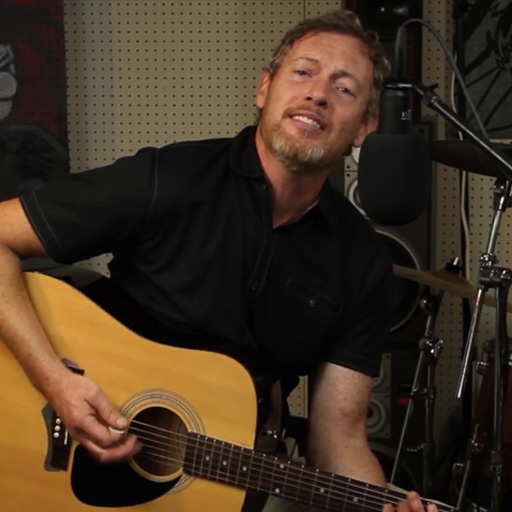
Learning to Stand Alone on Stage
The Comfort of Company
Playing live has almost always meant playing with others for me. There’s something deeply rewarding about sharing the experience with bandmates — the conversations on the drive to and from a gig, the laughter about moments that went sideways onstage, the post-show reflections that help shape the next one. There’s comfort in not carrying the whole thing alone.
Musically, bands can also create something powerful. At their best, they become more than the sum of their parts. Multiple people onstage bring energy, visual interest, and a sense of shared responsibility. You have others looking out for you — musically and personally.
Because of that, the idea of playing solo has always felt a little foreign.
And yet, that’s exactly what’s drawing me in now.
Freedom, and the Question of Sound
What excites me most about playing solo is the freedom. The freedom to stretch creatively. The freedom to let the approach evolve as I go. I don’t want to simply show up with an acoustic guitar — though there will absolutely be moments where that kind of intimacy feels right.
I also want the flexibility to move between guitar and keyboards, to build beats, textures, and harmonies in real time. I’ve been a multi-instrumentalist since I was a kid, and I’ve been recording and producing my own music for as long as I can remember. Layering — instruments, vocals, harmonies — is part of my musical language.
The real question I’m asking myself is this:
How do I bring a full, layered sound to the stage on my own, without it creating distance between me and the audience? Without breaking the connection?
I don’t want the technology to take center stage, or to leave people wondering what’s being created live and what’s already in motion. If backing tracks are part of the show, they need to feel intentional — connected to the moment, the room, and the performance itself.
Building Trust Before Letting Go
I don’t pretend to have all of this figured out yet. There will be hiccups. Technology has a way of letting you down at the worst possible moments, and I’ve experienced that more than once. My goal, though, is to keep things as organic as possible.
In my ideal version of a show, there are moments of intimacy, moments where songs are built piece by piece in front of the audience — beats, harmonies, textures coming together in real time — until the sound opens up into something full and immersive.
Over time, once that trust is established, I imagine allowing myself to skip the building process occasionally and move straight into songs supported by my own backing tracks. By then, the audience will have seen where those layers come from. They’ll know the tracks were created by me, and that knowledge changes how the music is received.
Harmony, Pacing, and Restraint
One of my favourite things to do musically is build harmony vocals. Even in many bands, that kind of vocal layering is rare. Looping opens the door to creating harmonies live — and letting the audience see them come into existence.
The hardest part of all of this will be pacing — finding the right balance between showing how the sound comes together and letting the music simply be enjoyed. That balance will evolve. I expect feedback. I expect small adjustments. What won’t change is the intention behind it.
My aim is to create a space that feels welcoming, expressive, and grounded — a room where people can settle in, feel oriented, and connect with the music without distraction. Some nights that may mean building songs layer by layer in front of you. Other nights it may mean moving more quickly into the music itself. Either way, the focus remains the same.
If you’re someone who listens closely, who values warmth over volume and presence over polish, you’ll know when you’re in the right room. That’s who I’m hoping to meet — and wherever this approach leads, that intention will stay at the center.